Himeji Castle: A JOTM Guide
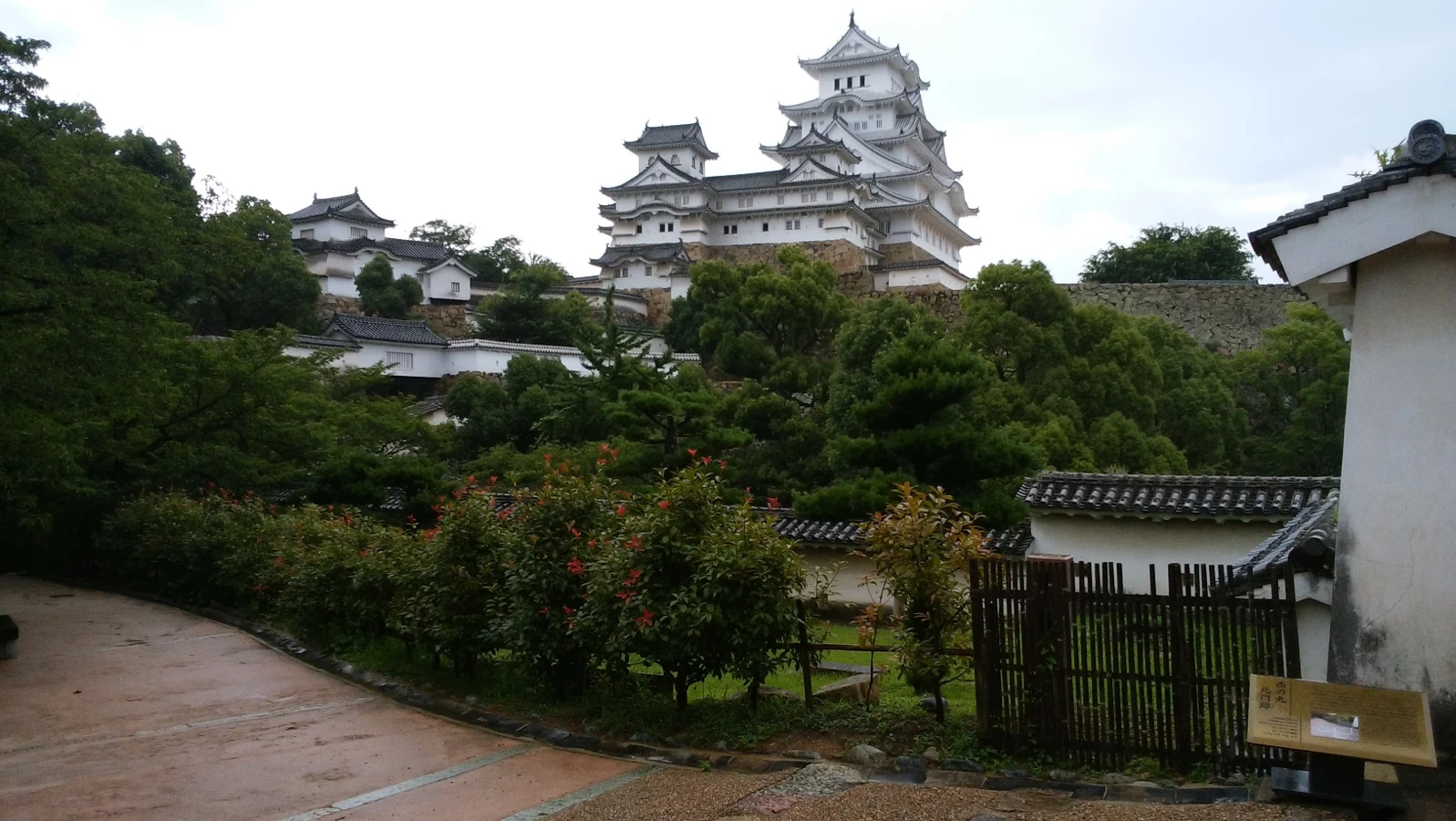
It rises before you like a vision, pale as a crane in winter sky, each rooftop feathered with curved tile and time. From the moment you glimpse its white silhouette above the town, Himeji Castle (姫路城) feels not built, but revealed, a memory of something once dreamed and never forgotten. Here in Himeji Castle’s layered walls and winding paths, history doesn’t announce itself, it lingers, quietly, beneath your footsteps.
Select links in this guide are affiliate links. They help sustain this space… allowing us to share more, with less dependence on advertising.
*Prices are subject to change.
Himeji Castle at a Glance: Castle Overview & Quick Facts
- Region: Kansai (Hyōgo Prefecture)
- Nearest City: Himeji
- Type of Site: Historic Castle (UNESCO World Heritage Site)
- Best Season to Visit:
- Spring (late March–early April): Cherry blossoms frame the white walls in delicate contrast
- Summer (June–August): Lush greenery surrounds the keep, hot, but atmospheric
- Autumn (October–November): Crisp air and bold leaves sharpen the sense of history
- Winter (December–February): Clear skies and fewer crowds let the structure breathe
To see how Himeji’s shifting seasons align with cherry blossoms, coastal quiet, or snow beyond Kansai, explore our Best Time to Visit Japan guide.
Why It’s Special in One Sentence
Himeji Castle is a fortress of light and stillness, where every step through its winding paths feels like walking through the pages of Japan’s feudal past.
Why Himeji Castle Is Worth Discovering: Highlights of the Himeji’s Elegance, Fortitude, and Living Legacy
- Unlike many others across Japan, Himeji Castle has never been destroyed by war, earthquake, or fire, its survival feels almost mythical.
- Nicknamed the White Heron, it balances lethal functionality with serene beauty. Curved walls, stone drops, and maze-like paths all whisper: form follows fear, but ends in grace.
- First constructed in the 14th century and expanded by the powerful Ikeda clan, it embodies ambition etched into wood and plaster.
- As you ascend the keep, wooden floors creak beneath your steps, and the city falls away, only wind and sparrows remain.
- Designated a UNESCO World Heritage Site, it represents not just Japan’s martial past, but its ability to preserve stillness in the face of time.
Must-See Wonders at Himeji Castle: Main Keep, Hidden Paths, and Defenses in Bloom
The Main Keep (Tenshukaku)
- Climbing the six floors feels like a pilgrimage, each level darker, simpler, more austere than the last.
- Windows narrow, ceilings lower, you begin to feel what it meant to prepare for siege while gazing out on beauty.
The Maze-Like Approach (Defensive Pathways)
- The approach isn’t straight, it winds intentionally to confuse invaders.
- You can feel the tension tighten with each turn, even as a visitor, your pace slows instinctively.
Hishi Gate and Loopholes
- These narrow openings for arrows and guns remind you: this is no fairytale, but a fortress built to endure.
- They frame slivers of the outside world, history glimpsed like memory through stone.
West Bailey (Nishi no Maru)
- Once home to Princess Sen, it feels softer here, long corridors, paper screens, and light catching on polished floorboards.
- A rare glimpse into the domestic life behind castle walls.
Cherry Tree Courtyard
- In spring, it becomes a sea of petals.
- Locals sit quietly beneath the trees, not photographing, just watching the wind move through history.
Local Secrets from JOTM: Hidden Tips for Visiting Himeji Castle
- Arrive Before the Echoes: Go as the gates open. The first footsteps on wooden floors still carry the hush of dawn.
- Take the Outer Path First: Walk the full perimeter of the walls before entering, it gives perspective and allows the anticipation to build.
- Come in Late Autumn: The trees blaze around the white walls, and the crowds thin. It feels like the castle is yours again.
- Climb in Silence: Resist the urge to rush. Let each floor in the keep settle around you before continuing.
- Look Back Often: Some of the best views of the keep come from turning around at unexpected corners.
Nearby Sacred Spaces: Quiet Sites Near Himeji Castle You Shouldn’t Miss
- Kōko-en Garden – A beautifully restored Edo-period garden just west of the castle grounds. Ten minutes on foot.
- Engyō-ji Temple – A temple on Mount Shosha, featured in The Last Samurai. About 30 minutes by bus and ropeway.
Getting to Himeji Castle: How to Access the Castle by Foot, Bus, or Train
- By Train: From Osaka or Kyoto, take the JR Sanyo Line to Himeji Station (about 1 hour from Osaka). The castle is a 15-minute walk straight up Otemae-dori from the station.
- If you’re using a pass, the Japan Rail Pass covers both shinkansen and rapid service lines to Himeji, making the journey smooth and scenic.
- By Bus: Local buses from the station are available, but walking is more scenic and direct.
- By Foot: The route from Himeji Station is lined with shops and gives you a perfect approach view, the castle slowly rises into frame.
- Hours: 9:00 AM to 5:00 PM (entry until 4:00 PM)
- Cost: ¥1,000 for adults (castle only); ¥1,050 for combined castle + Kōko-en Garden
For other smooth day trips or regional journeys, our Planning a Trip to Japan and How to Get Around Japan guides offer quiet clarity on routes and rhythms.
Resting Nearby: Hotels near Himeji Castle
- Hotel Monterey Himeji – Just steps from the station, it blends classic Western elegance with soft Japanese minimalism.
- Daiwa Roynet Hotel Himeji – Modern comfort and clean lines just minutes from the castle, ideal for quiet evenings and early starts.
- Besso 姫路 – A refined private villa stay with gentle interiors and a garden that turns morning into meditation.
- Hotel Nikko Himeji – A polished, full-service hotel with expansive city views and calm interiors, conveniently close to both station and castle.
FAQs and Travel Tips about Himeji Castle: A Few Last Things Before You Go
Whether you’re wondering how to get to Himeji Castle, the best time to visit, how long to spend, or where to buy tickets, we’ve answered it all below.
A: The best time to visit Himeji Castle is in spring (late March to early April), when cherry blossoms drift across the white stone like passing thoughts, or in late autumn (October to November), when vivid foliage and thinner crowds let the castle’s quiet beauty unfold. Summer is lush but hot; winter offers calm clarity and near-empty grounds.
A: Set aside 2 to 3 hours to explore Himeji Castle’s main keep, maze-like approach, and West Bailey at an unhurried pace. If you plan to add the nearby Kōko-en Garden, a serene Edo-style retreat, allow an additional hour or two to let the experience breathe.
A: Himeji Castle stands in the heart of Himeji City in Hyōgo Prefecture, a straight 15-minute walk from JR Himeji Station along the grand Otemae-dori. The path itself becomes part of the experience, each step drawing you closer to its rising silhouette.
A: Himeji Castle is a must-see landmark because it’s Japan’s most magnificent and best-preserved feudal castle, uniquely untouched by war, earthquake, or fire throughout its history. Nicknamed the “White Heron” for its elegant appearance, it’s a UNESCO World Heritage Site that perfectly blends lethal functionality with serene beauty, offering an unparalleled glimpse into Japan’s samurai past.
A: Himeji Castle tickets are typically purchased on-site, but limited online sales may be available during peak seasons via official or third-party platforms. To save time and access the peaceful Kōko-en Garden next door, opt for the combined ticket (¥1,050).
A: While Himeji Castle’s outer grounds and the West Bailey offer partial accessibility, the main keep involves steep wooden stairs and is not wheelchair-friendly. Accessible paths, restrooms, and shaded seating areas are available near the entrance, making a quiet garden stroll or outer view a rewarding experience even without full access.
A: Yes, visitors can climb all six floors of Himeji Castle’s main keep. The ascent narrows with each level, from wide halls to tight staircases, echoing the rhythms of both defense and devotion. At the top, the view opens over the city like a breath held and finally released.
A: Yes, volunteer English-speaking guides often wait near the main gate, ready to share insights that turn stone into story. These free tours add depth to Himeji Castle’s history and design. While not guaranteed daily, they’re a quiet treasure when available, and gratuity is warmly appreciated.
A: Himeji Castle blends beauty and defense with rare precision. Its maze-like approach, curved gables, and steep ishi-otoshi chutes (stone-drop windows) reveal both strategy and grace. Concentric moats, hidden corridors, and the layered white plaster façade give the “White Heron” its wings, elegant from afar, ingenious up close.
A: From Osaka, take the JR Special Rapid Service or Shinkansen to Himeji Station (about 1 hour). From Kyoto, the fastest route is via Shinkansen (approx. 45 minutes). Once you arrive, it’s a straight 15-minute walk to Himeji Castle with the silhouette growing clearer at each step.
A: Yes, Himeji Castle was Japan’s first UNESCO World Heritage Site, recognized in 1993 for its unmatched preservation and elegant military design.